
More than 1,000 refreshed coffeehouses, improving sales, and a renewed focus on hospitality. Two years into its turnaround, Starbucks is showing how a few thoughtful changes can make a place worth visiting again.
Previously on thework.place: Perk Up the Work.place: Lessons From the Starbucks CEO's Turnaround Strategy (2024)
Two years ago, I wrote about newly appointed Starbucks CEO Brian Niccol and his plans to bring the coffee giant back to its roots. After years of prioritizing mobile ordering, drive-thrus, and convenience (exacerbated by COVID), Starbucks had seemingly lost sight of what made it special in the first place: the physical “coffeehouse” itself.
At the time, I couldn't help but draw parallels to the work.place. Both competing against other sources of attention, both increasingly focused on efficiency and transactions, and all to the detriment of the human experience. And both faced a similar challenge: giving people a compelling reason to leave home and spend time somewhere else.
Two years later, Starbucks continues to put that strategy into practice and is beginning to reap the tangible results of their labors and investment. And what's particularly interesting is how relatively simple many of the changes are.
A Thousand Coffeehouses, Reimagined
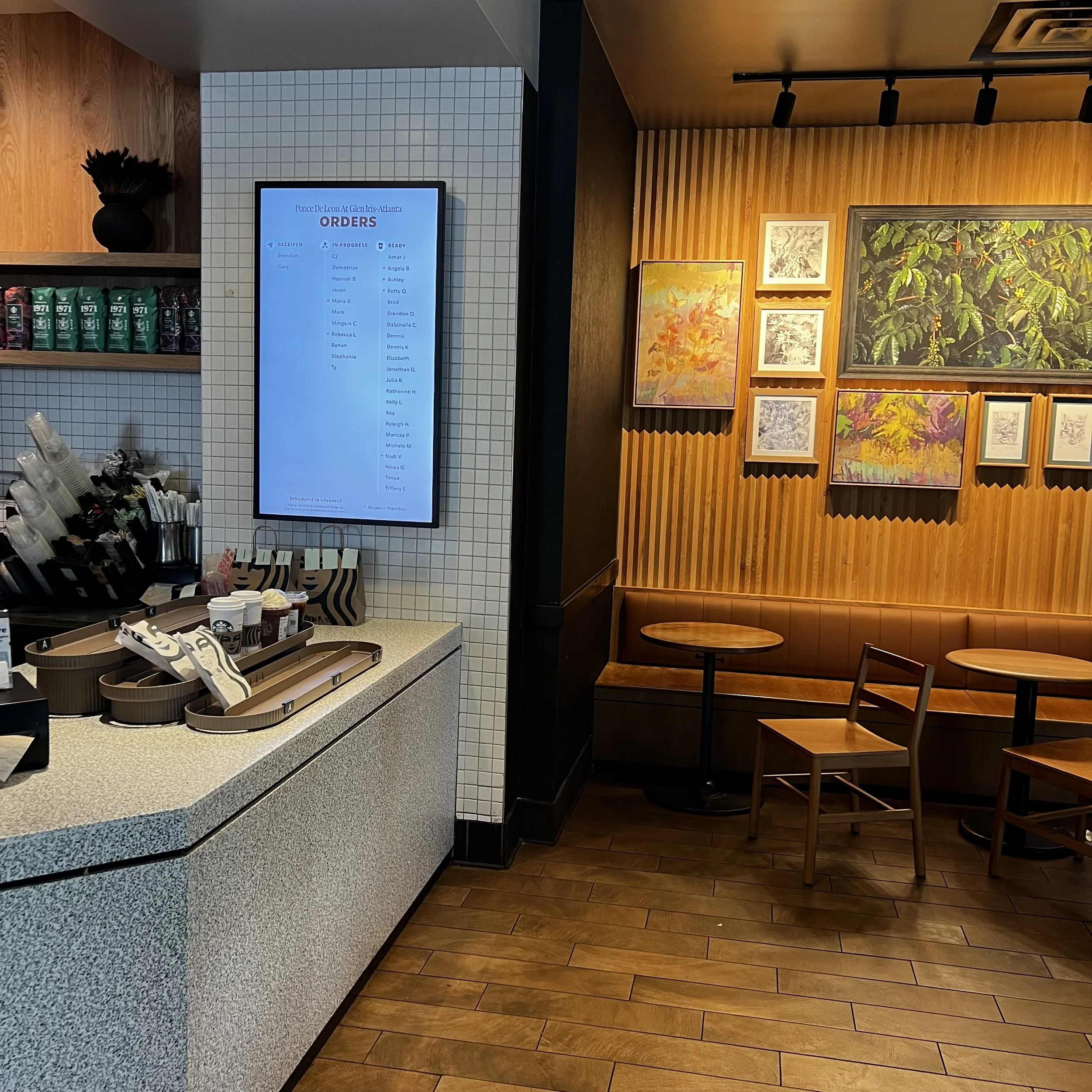
Since late 2025, Starbucks has refreshed more than 1,000 coffeehouses across the U.S. and Canada, with plans to reach at least 1,500 by the end of fiscal 2026 and accelerate further in 2027. The company's "coffeehouse uplifts" are reintroducing comfortable seating, warm wood finishes, curtains, artwork, greenery, and locally inspired design details. Spaces that had become somewhat sterile and transactional are beginning to feel like welcoming neighborhood living rooms again.
And while Starbucks is investing significantly in its broader transformation, many of these individual improvements are surprisingly straightforward. Rather than gutting and rebuilding stores, the company is using targeted furniture, finish, and non-construction decorative upgrades to transform existing spaces, often with relatively little disruption.
For those of us in architecture and workplace design, it's a refreshing reminder that improving a space doesn't always mean moving walls, replacing ceilings, or undertaking a months-long construction project. Sometimes, a little paneling, some refreshed artwork, more inviting furniture, and a few plants can go a remarkably long way.
Starbucks is also piloting smaller-format coffeehouses that maintain the warmth and hospitality of its traditional stores, while closing underperforming locations that no longer meet its customer experience or financial expectations. It's an interesting shift away from the idea that efficiency should always come at the expense of experience. Smaller doesn't necessarily have to mean less inviting.
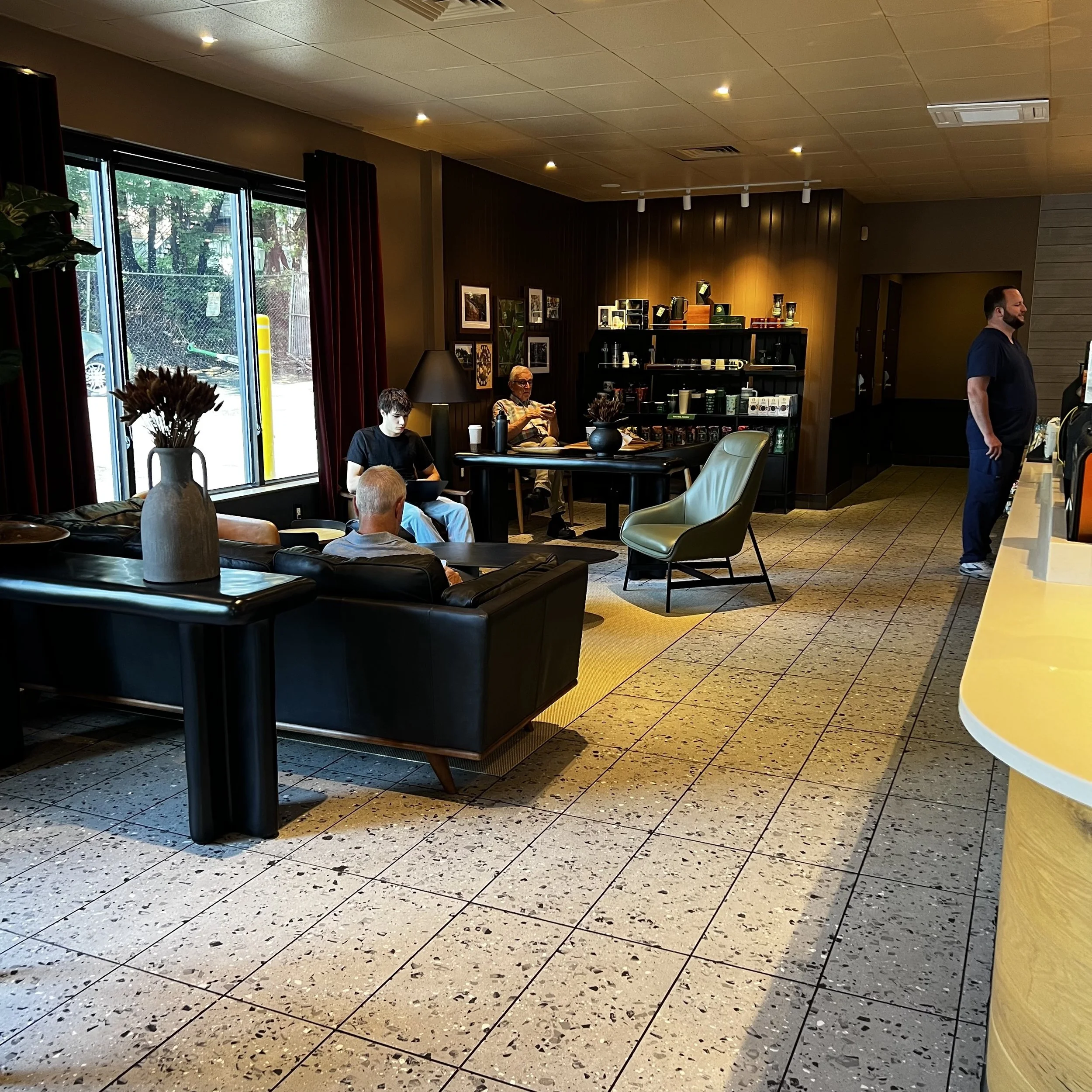
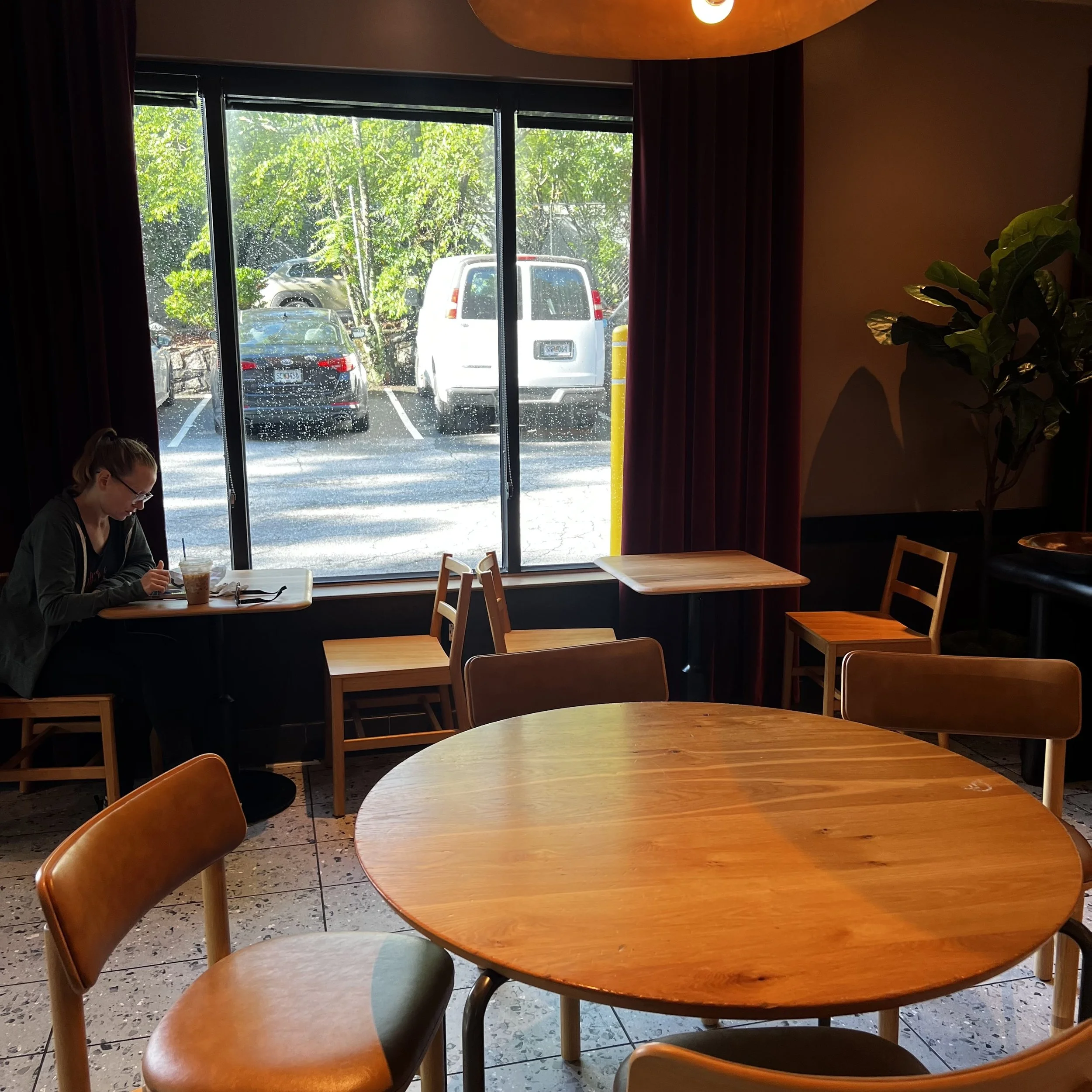
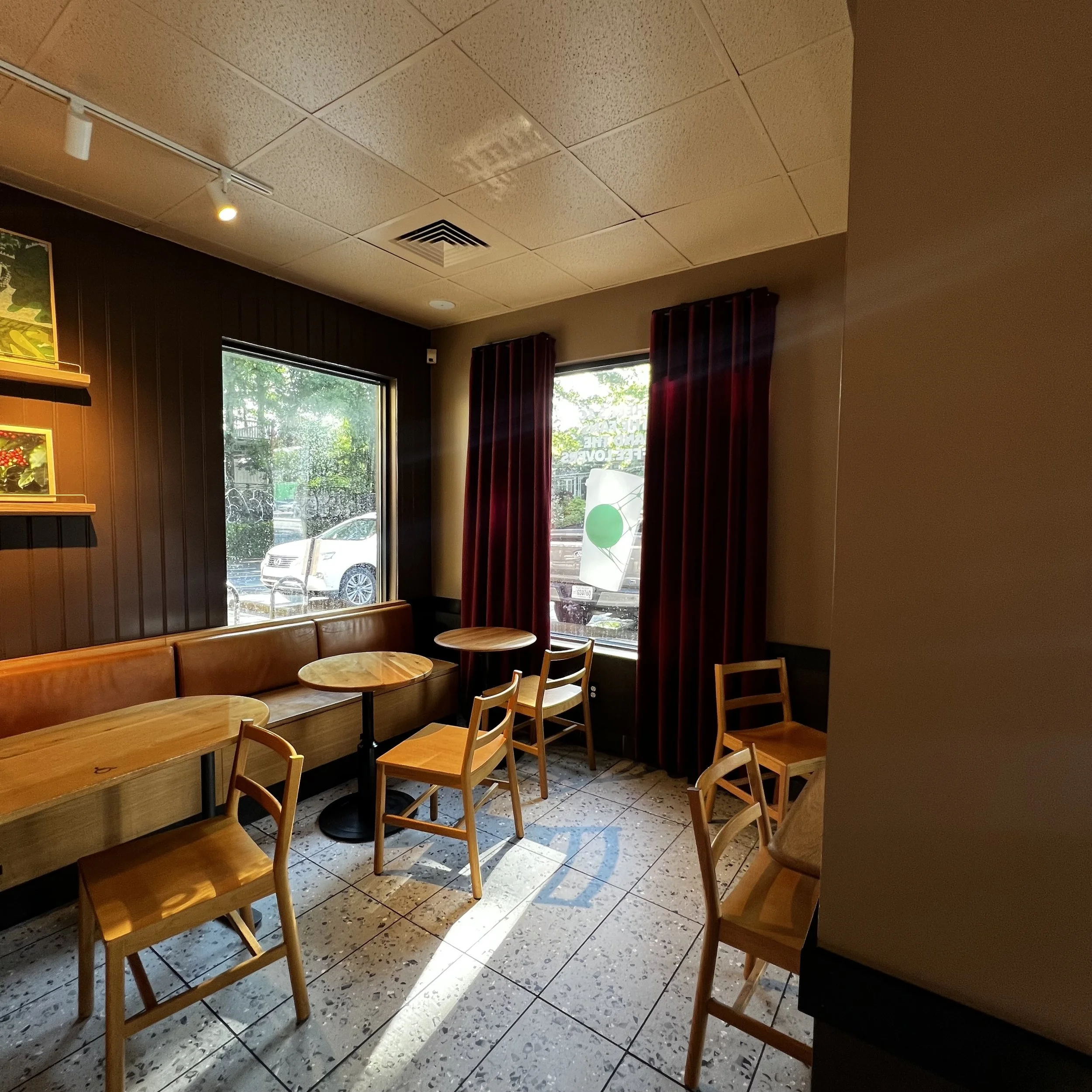
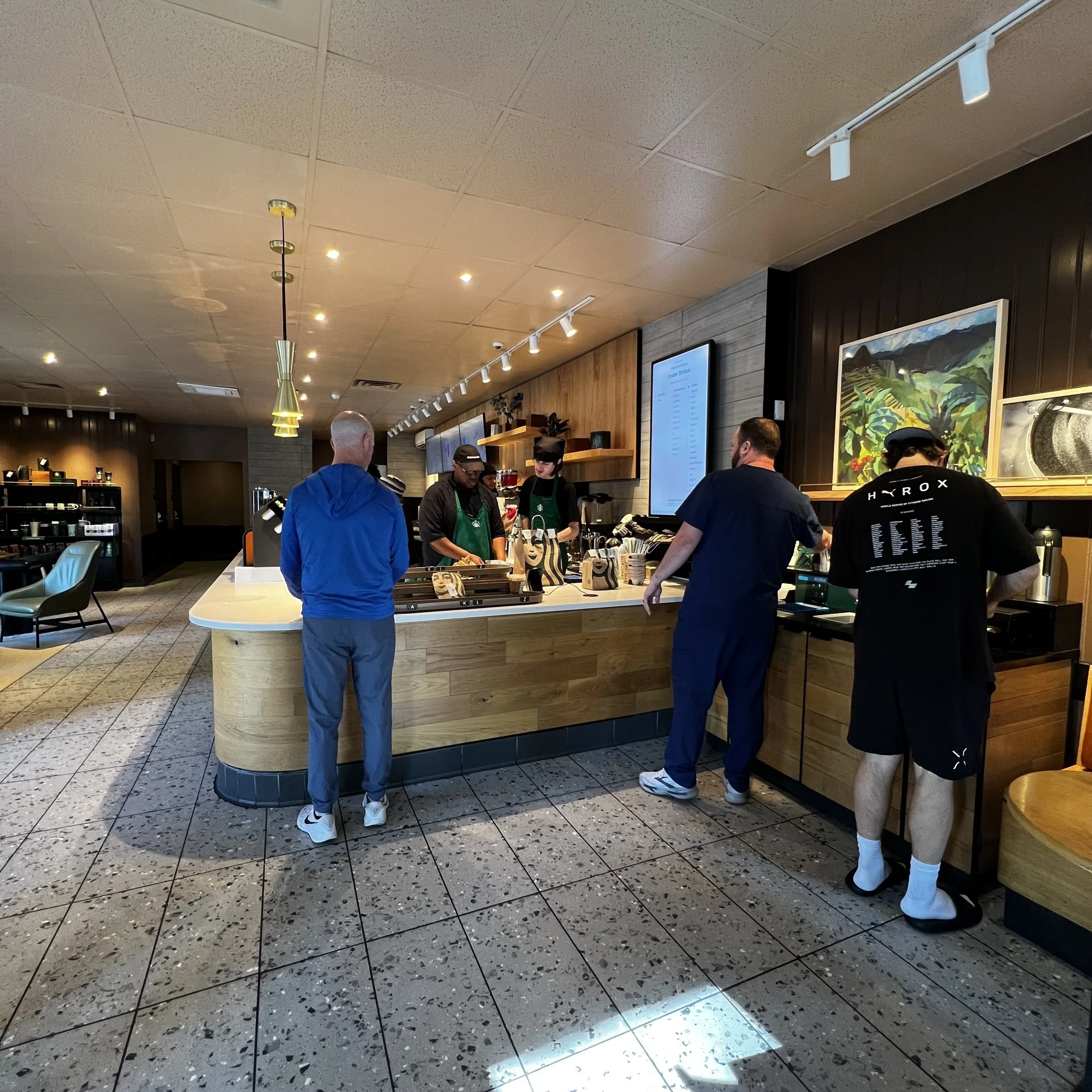
Pictures of my refreshed neighborhood “coffeehouse” in Little Five Points (Atlanta, GA) | Images by Brendan Gregory
Hospitality and Efficiency Can Coexist
What's equally interesting is that Starbucks isn't abandoning the technology and convenience it spent years developing. Mobile ordering and drive-thrus aren't going anywhere. Instead, the company is working to make those conveniences coexist with a better in-store experience.
New order-management technology and clearer order-status information help customers understand when their drinks are being prepared and when they're ready, reducing some of the friction associated with mobile ordering. Meanwhile, Starbucks is bringing back ceramic mugs, comfortable seating, and other small touches that encourage customers to stay. It's a useful reminder that technology should support the experience, not replace it.
The same applies to the work.place. We've invested heavily in desk reservations, room-booking platforms, occupancy sensors, and countless other tools designed to make offices more efficient. And while those tools certainly have their place, they're rarely (if ever) the reason someone actually wants to come into the office. A great hotel isn't great because of its reservation system, it’s great because of how the customer experience makes you feel.
Why should workplaces be any different?
And It's Starting to Work
Of course, making coffeehouses more inviting is one thing. Making the business more successful is another. But early signs suggest Starbucks' broader turnaround is gaining traction. The company reported four consecutive quarters of positive global comparable-store sales growth through its third fiscal quarter of 2026, including an 8.1% increase in North America during that quarter.
At the same time, Starbucks is pursuing significant cost savings, streamlining operations, and closing underperforming locations while reinvesting in the customer experience. It's worth acknowledging that new furniture, artwork, and warmer interiors aren't solely responsible for improving sales: staffing, service, technology, and operational changes are all contributing to the broader turnaround. But perhaps that's the point. A great physical environment is only one part of a great experience, and it works best when everything else supports it.
For years, workplaces have often treated efficiency and experience as competing priorities. More desks versus more lounge space, standardization versus local personality, cost savings versus hospitality. Starbucks is making a case that the two don't necessarily have to be at odds.
We've spent so much time trying to make workplaces more efficient that we've forgotten to make them somewhere people actually want to be. More inviting furniture, warmer lighting, refreshed artwork that reflects the local community, greenery, and textiles make the space a comfortable place to gather and do more to pull people in than in-office mandates, stale lunches, badge swiping, and wifi tracking ever could. It’s all about small, thoughtful details that make a space feel less institutional and more human.
None of these ideas are revolutionary, and they don't necessarily require enormous capital investments or months of construction.
Two years ago, I argued that the work.place could learn something from Starbucks' renewed commitment to the third place. Today, with more than 1,000 refreshed coffeehouses and early signs of a business recovery, that argument feels even more relevant.
Starbucks spent years making it easier for customers to get their coffee and leave. Now it's investing in giving them reasons to stay.
Maybe it's time our workplaces did a little more of the same.
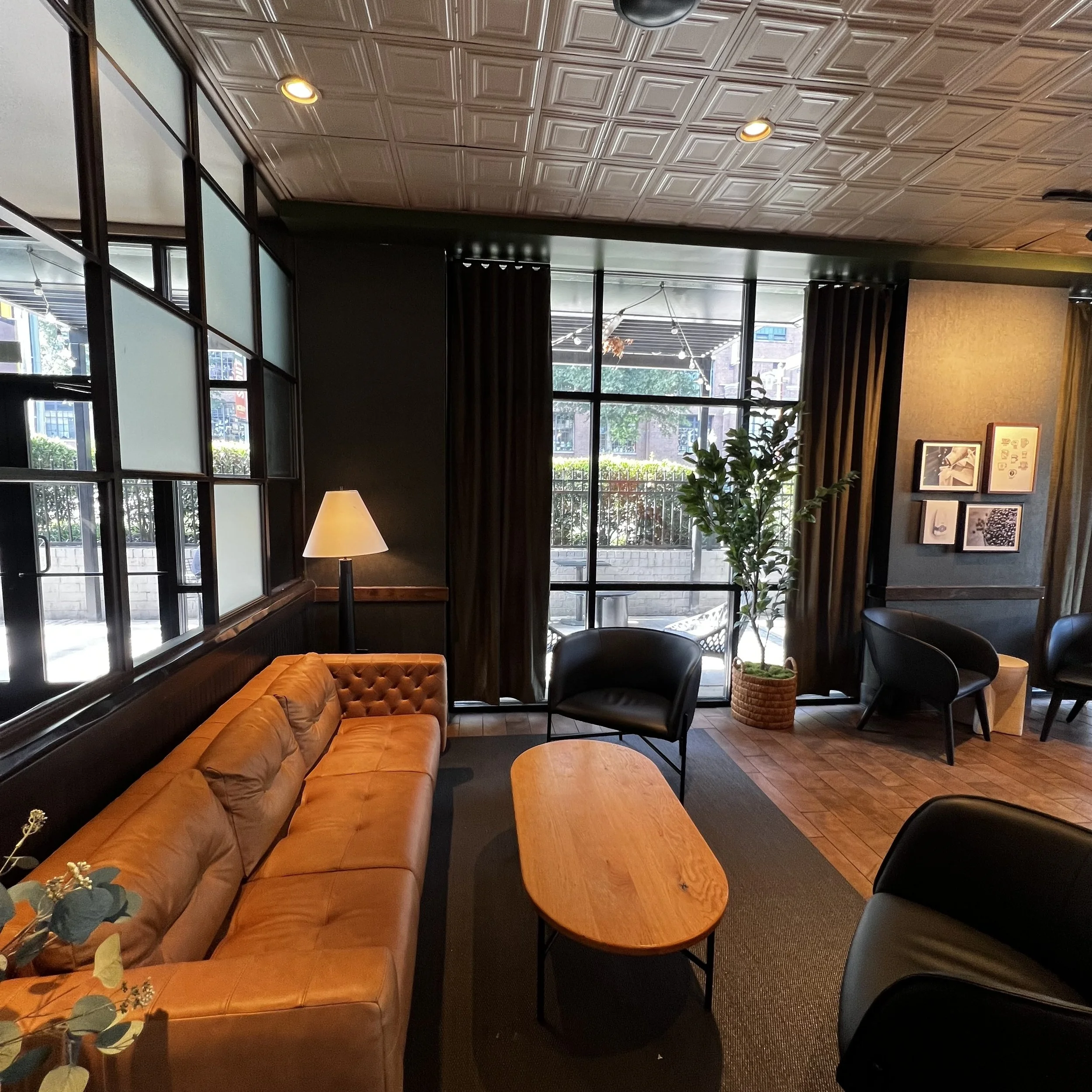
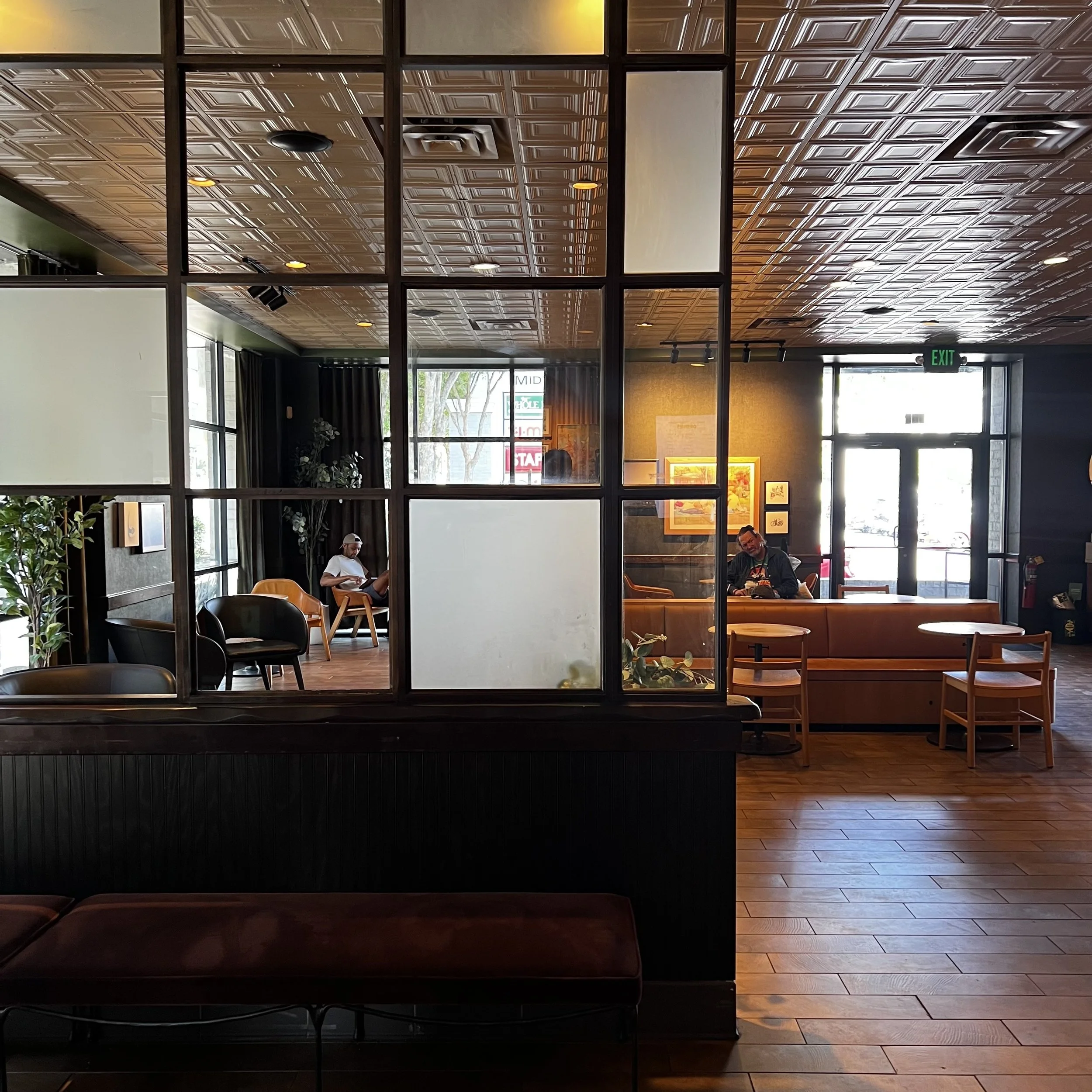
Another “coffeehouse” uplift in Old Fourth Ward (Atlanta, GA) | Images by Brendan Gregory
