
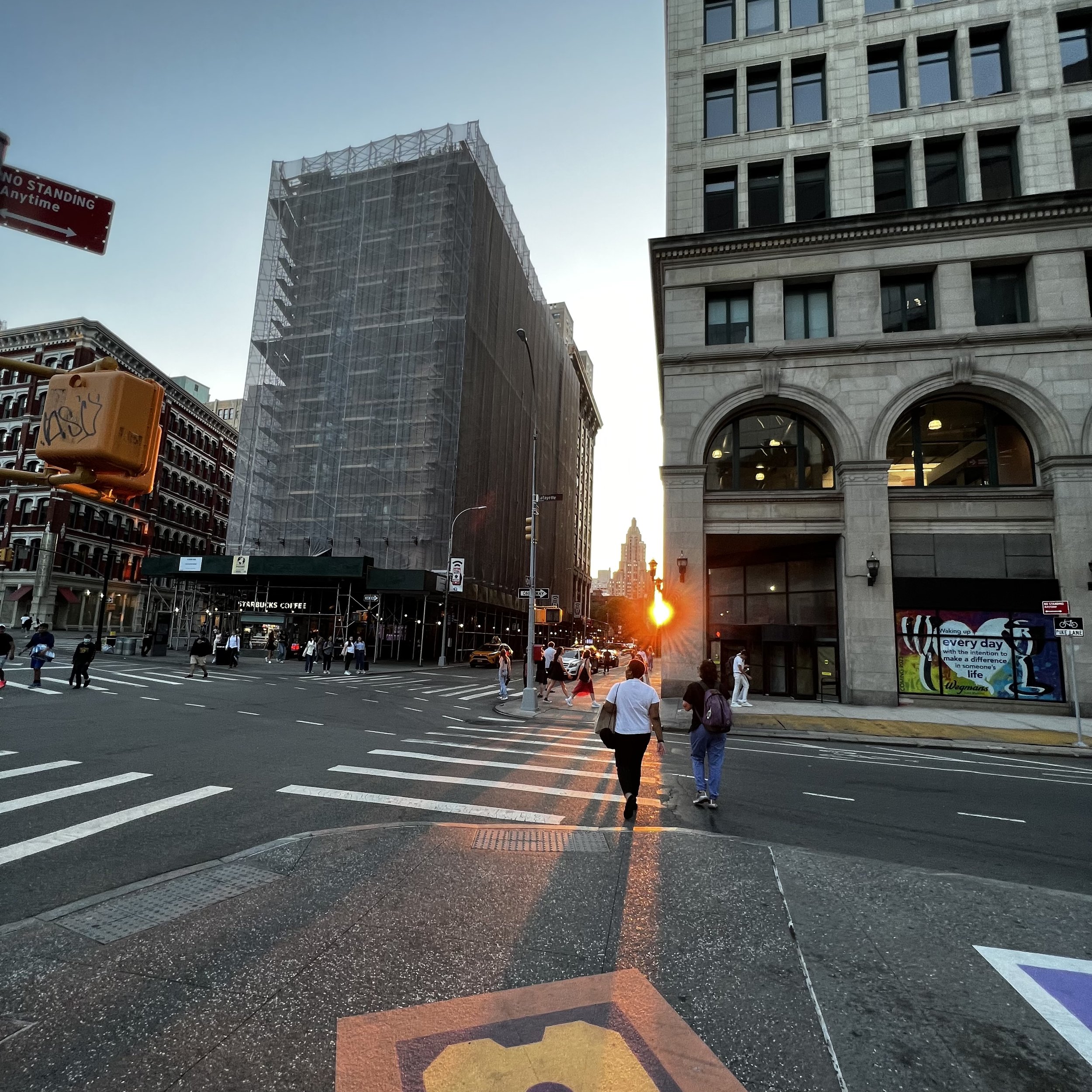
Exploring the intersection of work and place.
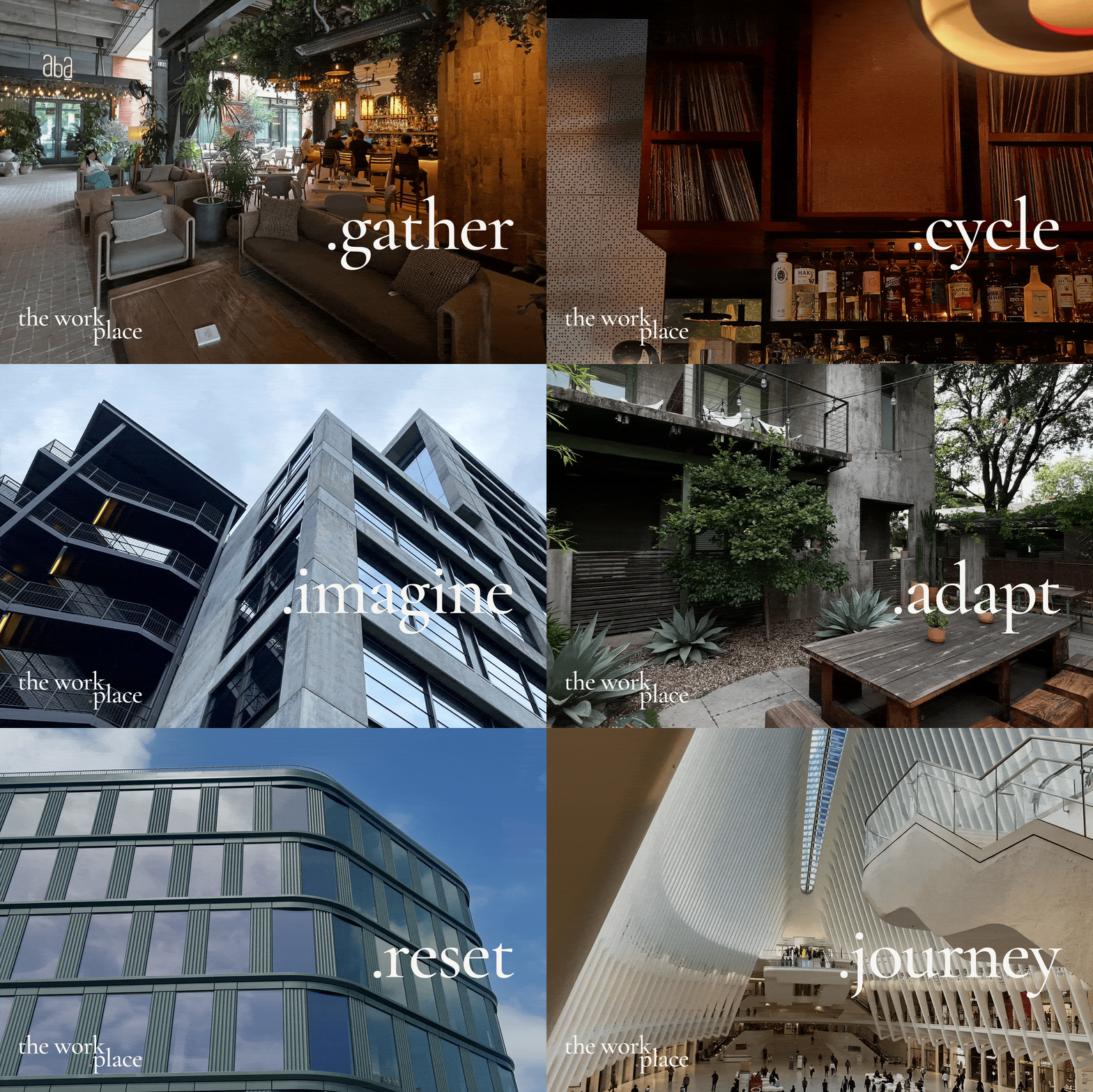
Images by Brendan Gregory
the work.place
Work used to be somewhere you had to go. Now it’s something you can do almost anywhere. So the real question becomes: what makes a place worth going to?
thework.place explores the design, ideas, and small decisions that make great places work—from offices and hotels to coffee shops, neighborhood bars, parks, public spaces, and the places in between.
Some are built for work, some for gathering, and some simply for being. The best are welcoming, social, flexible, and deeply human. They give us a reason to show up, stay awhile, and come back.
There’s a lot workplaces can learn from these places. But this isn’t just about the office. It’s about looking more closely at the places around us: why some work, why some don’t, and what makes the great ones worth going to.
the framework
Great places rarely serve just one purpose. They sit somewhere between the comfort of home, the utility of work, and the connection we find in the places we choose to spend our time.
Urban sociologist Ray Oldenburg called those social environments third places: places distinct from home and work that give people somewhere to gather, connect, and simply be (The Great Good Place). Coffee shops, parks, libraries, markets, bars, community spaces, and countless other places have played this role throughout history.
What makes them interesting isn't just what happens there, but why people choose to be there. The best are welcoming and accessible. They encourage interaction without requiring it. They offer comfort, character, flexibility, and a sense of belonging.
Increasingly, the boundaries between these places are blurring. We work from home, take meetings from coffee shops, answer emails from hotel lobbies, and expect offices to offer more than a desk. The most interesting places borrow from all three.
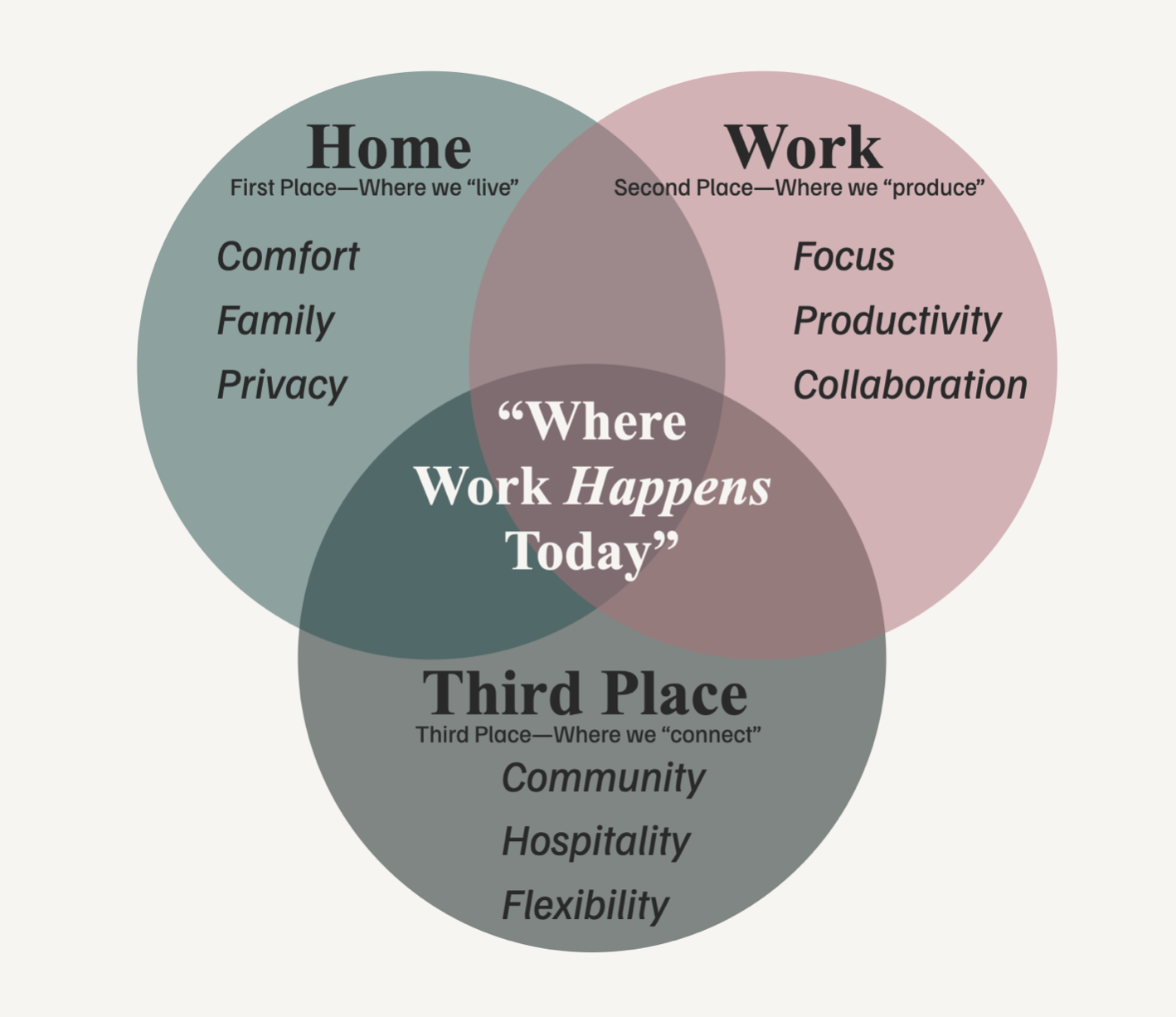
Where Work Happens Today | Diagram by Brendan Gregory