
An Apple Store for Live Music
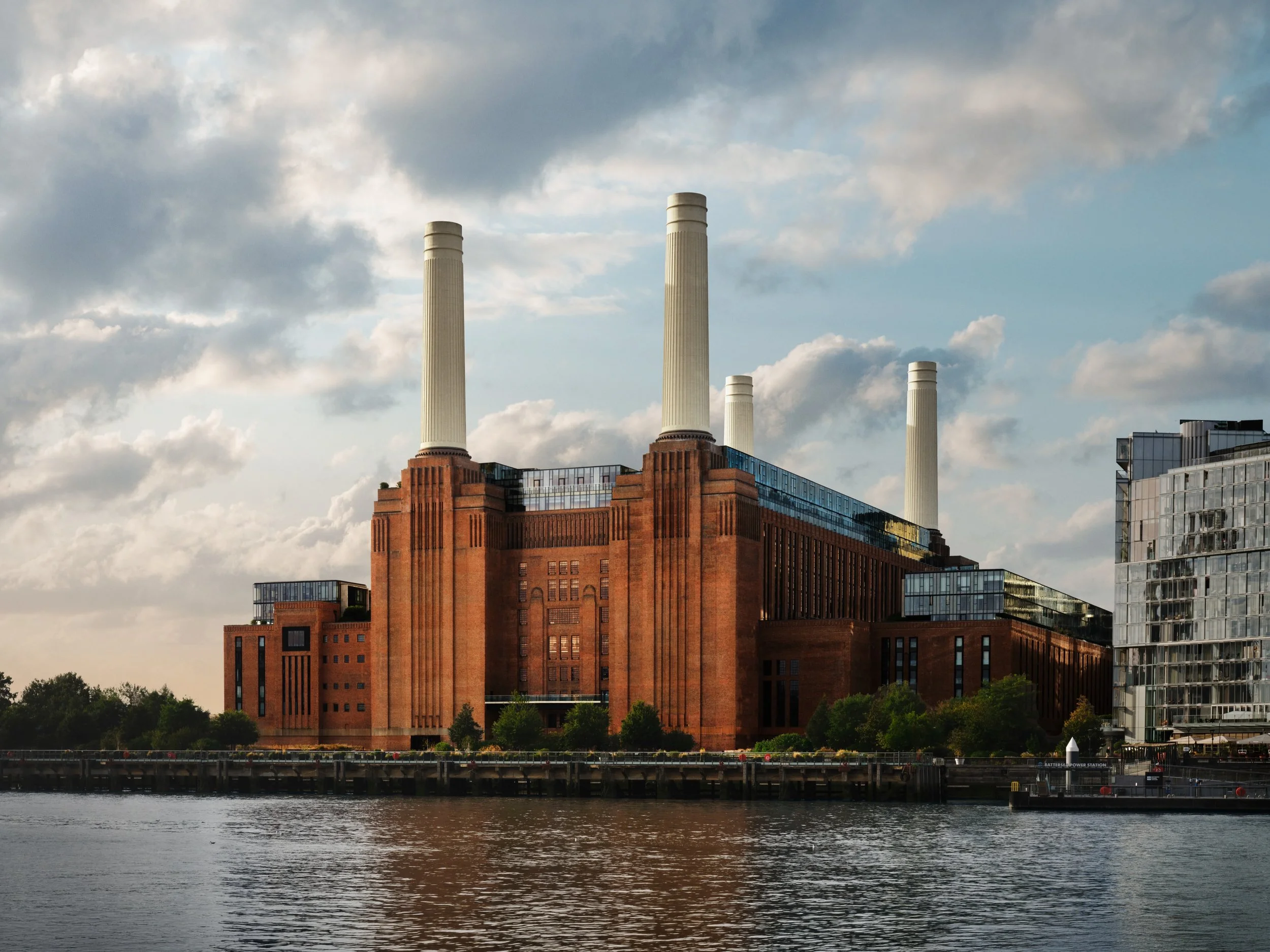
The state-of-the-art Apple Music Hall within the historic Battersea Power Station (London) | Image via Apple
Apple just opened a music venue. Not sponsored one, not partnered with one, but actually built one.
Apple Music Hall is a new 600-person live music venue inside the historic Battersea Power Station in London, the same place Apple calls home for its U.K. headquarters. It has a configurable stage, a 48-speaker Spatial Audio system, professional recording studios, built-in advanced production technology, and a central broadcast control room. An artist can perform in front of a few hundred people while Apple records the show, mixes it, captures it on video and distributes it to a potentially enormous audience through Apple Music.
For a company that has spent the last few decades putting more of our lives online and onto screens, it feels like a pretty significant investment in a place you have to physically go.
And maybe that's the most interesting part.
The store you don't need
Apple has spent decades making it easier to buy its products without ever leaving your house. You can research an iPhone online, compare it, buy it, have it delivered to your door and set it up yourself. By that logic, the Apple Store should be increasingly irrelevant.
Instead, Apple keeps building them, often on some of the most prominent and expensive real estate in the world. Grand Central Station, The Tower Theater in LA, Fifth Avenue NYC, Champs-Élysées, Carnegie Library DC, and along the Chicago River (among many others).
That's because the Apple Store hasn't really been just a store for a long time. It's somewhere to see the products, touch them, learn something, get something fixed, attend an event, or just wander around while you're nearby. The transaction can happen anywhere, which means the physical store has had to become valuable for reasons far beyond the transaction.
Apple Music Hall feels like an extension of this same concept. The physical experience feeds the digital one, and in turn the digital platform makes the physical experience more valuable. Apple Music's entire proposition is that you can listen to nearly anything, anywhere. Your music is always with you (iPod/iPhone), you don't need to go to a record store or carry around a stack of CDs (iTunes), and your collection is entirely digital and infinitely vast (Apple Music). In a very literal sense, Apple helped eliminate the need for a physical place associated with listening to music.
Now it's building one.
What happens when you don't have to go?
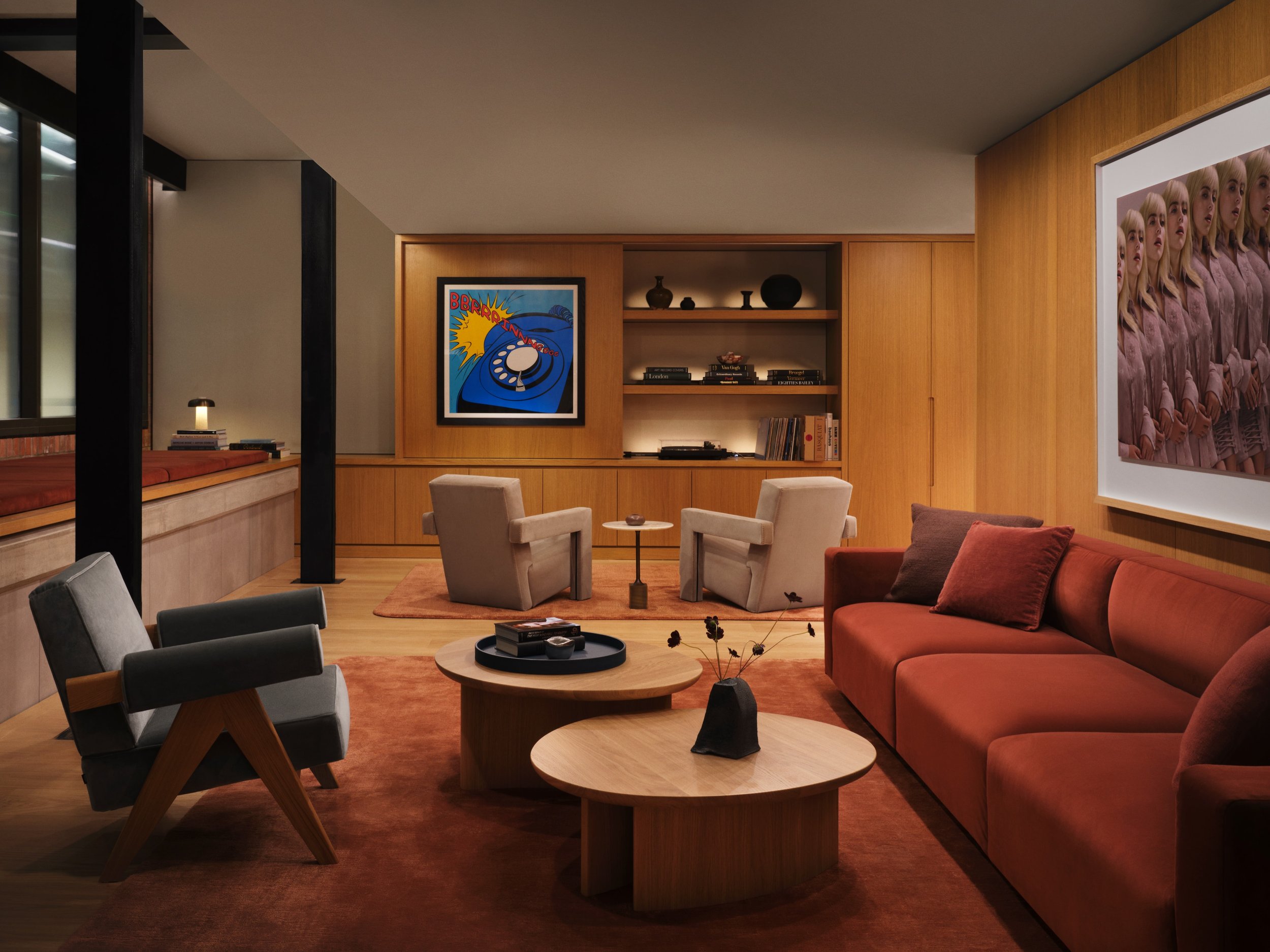
A backstage green room within the venue | Image via Apple
When the transaction can happen anywhere, the store has to offer something beyond the transaction. When the music can be heard anywhere, the venue has to offer something beyond access to the music.
Experience, community, participation and the simple feeling of being somewhere interesting start to matter a lot more when being there is optional.
Which makes it hard not to think about the work.place.
For a long time, the office didn't need to be particularly compelling because it was where the work was: your computer was there, your files were there, your phone was there, the conference room was there, and most importantly, the people you worked with were there. Going to work and going to the workplace were basically the same thing.
Technology slowly dismantled that relationship, and the pandemic accelerated it dramatically. For a huge number of people, the basic functions of office work can now happen almost anywhere.
A lot of the conversation since then has been about how to recreate the necessity of going to the office. Three days a week. Mandatory Tuesdays. Badge tracking. Required attendance. But what if necessity is gone and isn't coming back?
A place worth going
Apple didn't respond to online shopping by trying to make customers shop in person three days a week. It built stores people actually wanted to visit and were drawn to. In a world where work, retail, music, media, hospitality and public life are starting to overlap in the same place, Apple continues to master the art of creating a reason for being there.
Apple has built its business around technology that makes it possible to do more things from more places. Yet it continues to invest heavily in physical environments. Not because those places are still necessary in the way they once were, but because Apple seems to understand that removing the necessity of going somewhere doesn't remove our desire to go somewhere good.
If anything, it raises the bar.
Digital technology doesn't necessarily make physical space less important. It makes mediocre physical space harder to justify. If people can buy the product anywhere, give them a reason to visit the store. If they can listen to the music anywhere, give them a reason to come to the venue and be together with others.
And if they can do the work anywhere, maybe the answer isn't figuring out how to make them come to the office. Maybe it's building a work.place they actually want to go to.
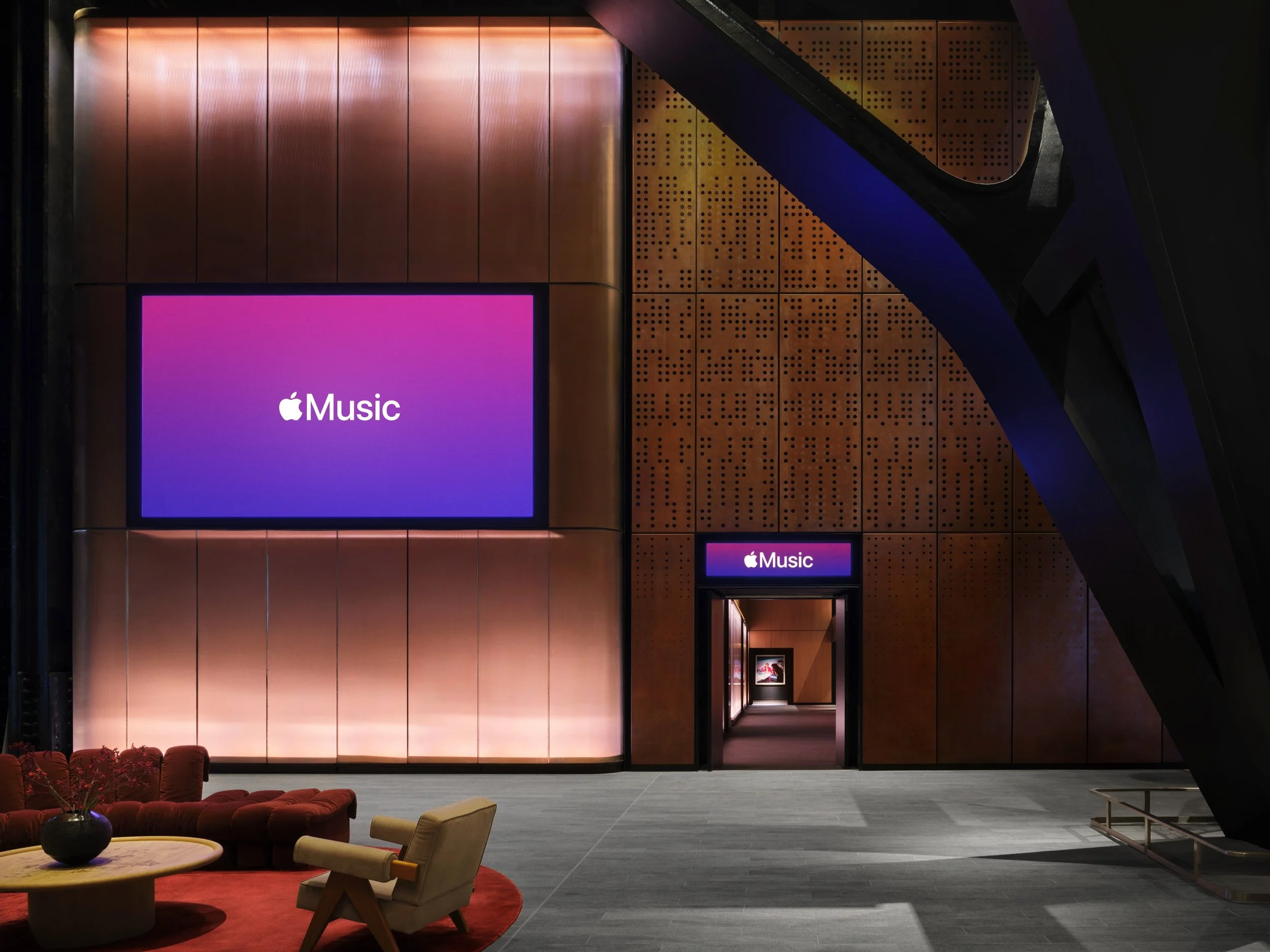
The sweeping lobby within Apple Music Hall | Image via Apple
